

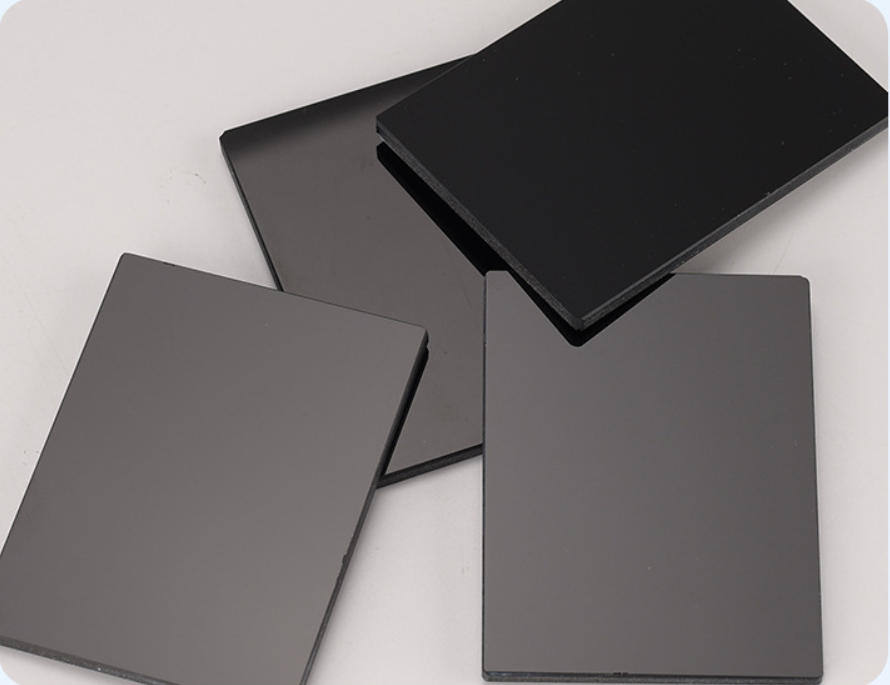

Anti-reflective glass coating is a special coating applied to the surface of glass, designed to reduce light reflection and increase light transmittance, thereby enhancing visual clarity and reducing glare. Below is a detailed analysis of it:
Core Principles
- Optical Interference: The refractive indices of the coating material and the glass substrate are precisely matched to utilize the principle of optical interference, causing reflected light to cancel each other out.
- Multilayer Structure: High-end anti-reflective coatings often consist of multiple layers of materials with different refractive indices, each optimized for specific light wavelengths to achieve anti-reflection effects across a wide spectral range.
Key Characteristics
- High Light Transmittance: Significantly increases the light transmittance of the glass, allowing more light to penetrate and improving visual effects.
- Low Reflectivity: Effectively reduces light reflection on the glass surface, minimizing glare interference.
- Abrasion Resistance: The coating possesses good physical and chemical stability, capable of withstanding daily wear and tear and corrosion.
- Stain Resistance and Easy Cleaning: Some anti-reflective coatings also feature hydrophobic or oleophobic properties, making the glass surface easier to clean.
Wide Applications
- Optical Instruments: Such as camera lenses, microscopes, telescopes, etc., to improve imaging quality.
- Display Devices: Such as mobile phones, TVs, computer monitors, etc., to reduce screen reflection and enhance viewing experience.
- Architectural Glass: Such as museum display cases, high-end office building glass facades, etc., to reduce light pollution and improve indoor light uniformity.
- Solar Panels: Increases light transmittance to enhance the power generation efficiency of solar panels.
YOUJIA OPTICAL can supply anti reflective glass coating service.