

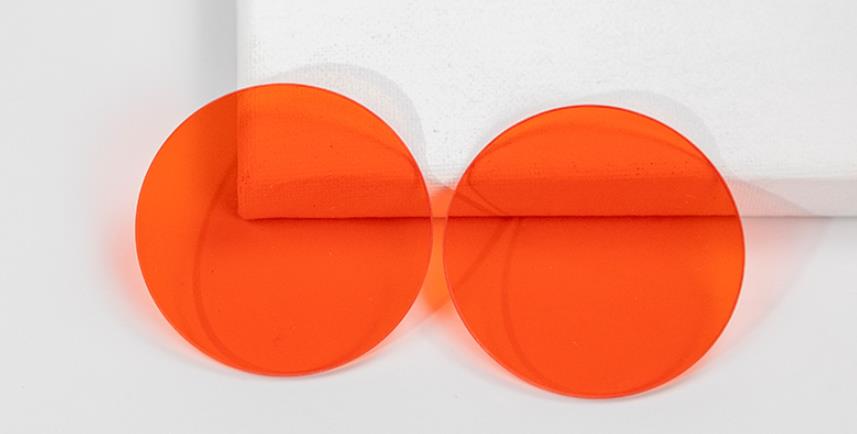

Cut-off optical glass is a special type of optical glass that selectively blocks specific wavelengths of light. It is typically designed for use in optical systems to block or attenuate the transmission of light within specific wavelength ranges.
The working principle of cut-off optical glass is based on its unique optical properties. By selecting specific glass materials and chemical compositions, as well as controlling their refractive index and absorption characteristics, it achieves the cut-off effect on light. These glasses are often chosen to have high absorption within specific wavelength ranges to prevent or reduce the transmission of light within those ranges.
Cut-off optical glass finds applications in various fields such as optical filters, optical instruments, spectroscopic analysis, optical sensors, and more. Depending on the specific application requirements, cut-off optical glass can be designed to block different wavelength ranges of light, such as ultraviolet cut-off, infrared cut-off, or specific window ranges.
It’s important to note that the specific characteristics of cut-off optical glass depend on its material composition, manufacturing process, and design requirements. Different types of cut-off optical glass may have different cut-off wavelengths, transmittance, and absorption properties. Therefore, the selection and customization of specific cut-off optical glass should be based on the specific needs of the application.